
From policy to portfolio: Investing in Singapore’s next 50 years
From policy to portfolio: Investing in Singapore’s next 50 years
By Carmen Lee, Head of Equity Research, OCBC
Singapore, 04 September 2026 – At this year’s Singapore National Day Rally (NDR) 2026, Prime Minister Lawrence Wong introduced a series of transformative infrastructure, housing and social policy initiatives. The pipeline of major infrastructure developments, tourism projects, industrial expansion plans and family support measures collectively reinforce the nation’s long-term growth trajectory.
For investors, it offered something equally important: Visibility into Singapore’s next phase of growth. While many initiatives will take years to materialise, they signal the start of a multi-decade investment cycle that creates opportunities across construction, industrials, utilities, tourism and technology.
For equity markets, these are positive long-term catalysts. Such large-scale national projects help extend demand, supporting future order books and strengthening confidence in the growth outlook.
Against this backdrop, OCBC Group Research remains an “overweight” stance on Singapore equities, supported by resilient fundamentals, attractive dividend yields, continued SGD strength and ongoing capital market reforms. Let’s break down NDR 2026 by sector.
Construction and industrials: First in line
The construction and infrastructure sector stands out as one of the clearest long-term winners from the NDR announcements. Projects such as new industrial hubs, land reclamation works and transport infrastructure will require investments over many years. This creates opportunities across the construction value chain.
Building material suppliers are likely to benefit first, followed by engineering and infrastructure firms as projects move forward. Hong Leong Asia and Boustead Singapore stand out as key beneficiaries given their exposure to building materials, and engineering and infrastructure development. We estimate upside to fair value of about 50% and 48% respectively.
Companies such as Huationg Global, Soilbuild Construction, Reclaims Global, Tiong Woon and Tiong Seng may also participate in various stages of the infrastructure build-out.
Energy and utilities: Positioning for future growth
Plans for the new Western Island industrial and energy hub development have important implications for Singapore’s energy and utilities sector. The government’s ambition for the new industrial and power-generation hub comparable to Jurong Island aligns with national priorities in energy security, advanced manufacturing and industrial competitiveness.
Established operators like Keppel and Sembcorp Industries are well-positioned to benefit from the Western Island development, given that they already possess the scale, capabilities and infrastructure needed to support Singapore’s next phase of industrial and energy expansion.
While earnings contributions are likely to emerge only over time, the strategic direction strengthens their long-term outlook. We see potential upside of approximately 20% for Keppel and 19% for Sembcorp Industries, based on our fair value estimates.
Hospitality and tourism: Strengthening Singapore’s tourism appeal
The proposed integration of Sentosa and Pulau Brani and the development of new attractions and resorts supports Singapore’s ambition to remain a leading tourism destination.
The clearest beneficiary is Genting Singapore, whose Resorts World Sentosa franchise is at the centre of the broader tourism ecosystem. Increased visitor traffic and spending could support both gaming and non-gaming revenue growth over time.
Broader tourism expansion is also likely to happen. Beneficiaries would include those in the airline, hospitality and related sectors. For example, Singapore Airlines would benefit from rising passenger traffic, particularly as Changi Terminal 5 becomes operational. Hotels and hospitality-focused REITs, including CapitaLand Ascott Trust and OUE REIT, could see stronger occupancy levels and continued RevPAR growth.
Technology and digitalisation: The emerging opportunity
The government’s continued emphasis on productivity and artificial intelligence adoption creates opportunities for technology providers that support enterprise digital transformation.
Companies exposed to software and workforce solutions could see stronger demand as businesses accelerate adoption of digital tools.
Separately, government support for autonomous vehicle (AV) deployment could create long-term opportunities within the transport sector. ComfortDelGro, already participating in AV trials and which has announced meaningful AV deployment by 2030, could leverage these policy developments to expand its capabilities and improve long-term operational efficiency.
Housing and property: Selective opportunities
Housing was another major focus of the NDR, with higher income ceilings for Build-To-Order (BTO) flats and executive condominiums (EC), as well as additional ballot opportunities for first-time families with children or those expecting children. The measures support housing affordability and demographic objectives while expanding access to subsidised housing.
These may modestly shift demand away from resale flats and segments of the private residential markets. However, we do not expect a material disruption to the overall residential property market and continue to forecast private home price growth of 1–3% in 2026.
Within the sector, UOL Group and City Developments (CDL) remain our preferred picks due to attractive valuations and potential catalysts from strategic initiatives and asset rejuvenation programmes.
Our fair value estimates imply that UOL could carry 35% potential upside and 25% for CDL.
Key takeaways for investors
While the immediate impact from the NDR announcements will likely be limited, the bigger significance lies in the long runway they provide for future economic activity. Singapore continues to stand out for its stability, sound fiscal position, sound governance framework and safe-haven status. These advantages, along with ongoing efforts to deepen capital markets and improve market liquidity, support sustained interest for Singapore-listed equities.
For investors, the key takeaway is simple: The significance of NDR 2026 is not the announcements themselves, but the visibility they provide into Singapore’s plans for economic development.
Our take is that investors can already start building exposure to potential beneficiaries in what could be a multi-year investment cycle. Remain selective and focus on companies with the capabilities, balance sheet strength and market positions to participate meaningfully in these projects.
The growth opportunities arising from these initiatives are likely to play out over decades rather than quarters. Against this backdrop, we believe the case for Singapore equities remains compelling.
This article was first published in The Edge Singapore on 21 August 2026.
Media Queries
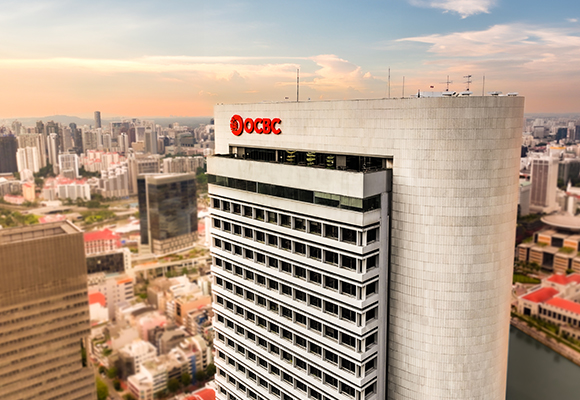
Singapore’s National Day Rally 2026 unveiled major infrastructure, housing and social initiatives that reinforce the nation’s long-term growth outlook. For investors, these plans signal the start of a multi-decade investment cycle, creating opportunities across sectors such as construction, industrials, utilities, tourism and technology.
Insights, WealthManagement